
High-End Home Design on the Mornington Peninsula: What's Actually Worth Building For
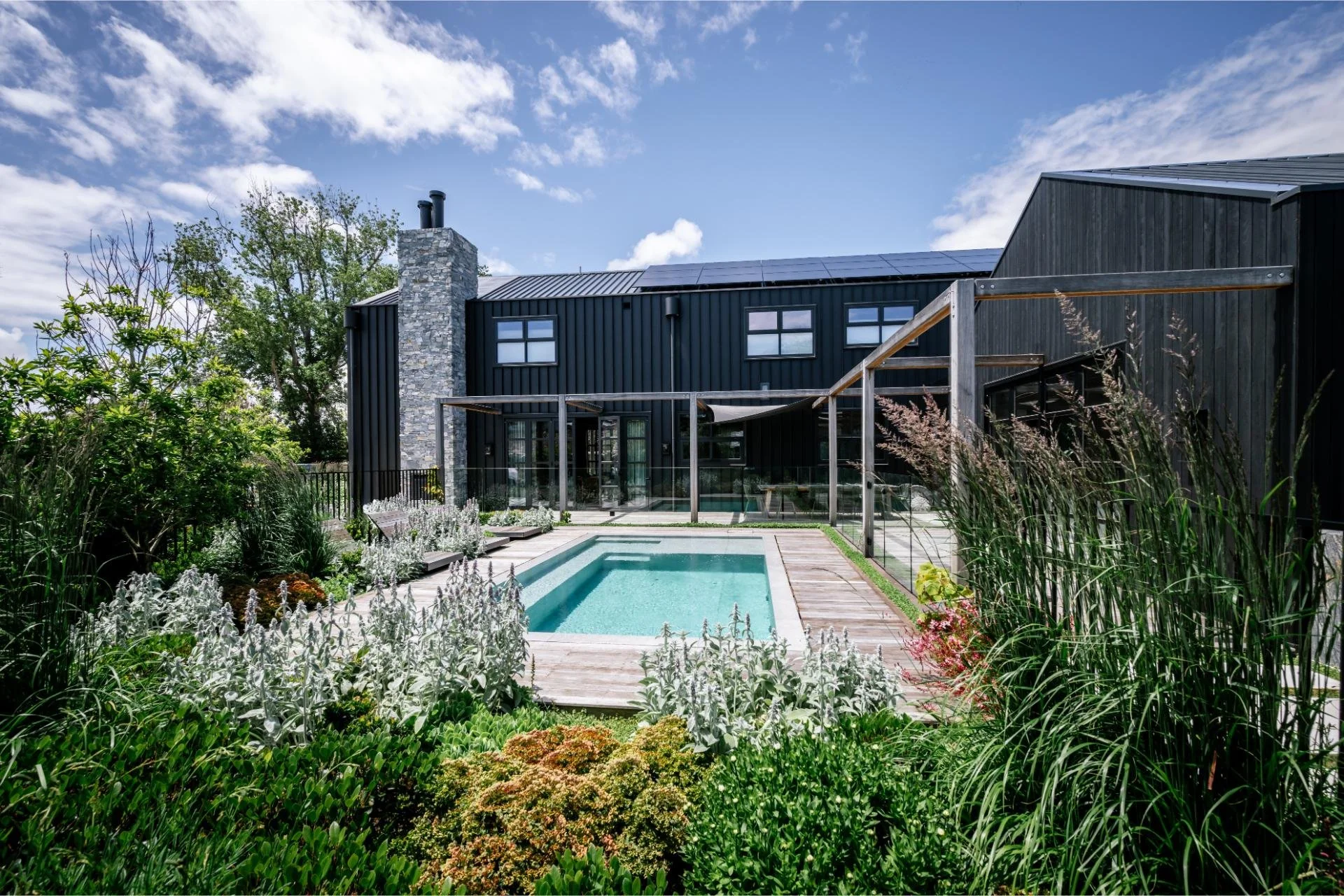
Port Phillip Bay on one side, Bass Strait on the other - the Mornington Peninsula is one of the few places in Victoria where two genuinely different coastal environments sit within a twenty-minute drive of each other. Sheltered bay-side calm at Mount Martha and Mornington; raw, wind-exposed clifftop drama at Portsea, Sorrento and Flinders. A high-end home built for one doesn't automatically work for the other, and that's the first thing worth understanding before you start collecting inspiration images.
This isn't a "top trends" list of things that'll look dated in two years. It's a breakdown of the decisions that actually separate a genuinely high-end Peninsula home from an expensive one that ages badly.
Material selection is a performance decision, not a style decision
Salt air and coastal wind are relentless, and they don't care how much the finish costs. Untreated steel corrodes. Standard aluminium joinery pits. Timber cladding that isn't properly specified warps and splits within a handful of seasons. The homes that still look sharp a decade in are the ones where every exterior material was chosen for how it performs in this specific environment, not just how it photographs on day one.
What that looks like in practice:
Marine-grade stainless steel fixings and powder-coated aluminium throughout, not just on the elements facing the water
Cladding that's designed to weather rather than fight it - spotted gum and blackbutt that silvers gracefully, zinc roofing that develops a protective patina, rather than materials that need constant intervention to look "new"
High-performance double glazing with low-e coatings, which on the Peninsula isn't just about thermal performance - it materially cuts the wind noise that exposed coastal sites are known for, especially through winter
Non-combustible or fire-resistant cladding in the many parts of the Shire that carry a bushfire overlay, worked into the material palette from the start rather than treated as a compliance patch (we cover this in detail in our BAL ratings guide)
The colour and texture shift away from "beach house white"
The stark, all-white coastal look has had its run. What's replacing it on genuinely considered Peninsula homes is warmer and more grounded: sand-toned renders, charcoal and blackened-metal accents, deeper natural stone, and richer timber tones that don't fade into the background the way bleached-out palettes tend to. Inside, that translates to warm plaster finishes, honed stone benchtops, and natural fibres - linen, wool, cane - that age with character rather than looking tired.
It's still unmistakably coastal. It's just no longer the only coastal look available, and it tends to suit the Peninsula's more rugged, hinterland-adjacent landscape better than a Byron Bay-style palette transplanted wholesale.
Indoor-outdoor flow, done properly
Large glazing and sliding doors that open living spaces to a deck are close to a baseline expectation on a high-end Peninsula build now - but the more sophisticated version of this isn't about maximum glass for its own sake. It's about controlled openings that frame a specific view, manage solar heat gain through the day, and shelter the space from prevailing wind without closing it off. A wall of glass facing straight into a Bass Strait southerly looks spectacular in a render and is miserable to actually sit in front of come July. Getting the orientation and glazing strategy right at the design stage is what separates a home that's genuinely liveable year-round from one that only works for six months of it.
Designing with the site, not against it
Some of the most desirable blocks on the Peninsula - elevated, sloping, close to the water - are also the most technically demanding. The better high-end homes treat that as an opportunity: split-level layouts that step down a hillside, a cantilevered form that projects over a steep site to minimise excavation and create shade below, a lower-level cellar or retreat carved into the slope itself. We go into the engineering side of this in more depth in our guide to building on sloping Peninsula blocks - but from a design standpoint, working with the contour rather than flattening the site is consistently what makes a home feel considered rather than generic.
Function is catching up with form
A few features have moved from "nice to have" to close to standard on the high-end Peninsula projects we're seeing:
Underground parking, increasingly common where site levels allow, freeing up the ground plane for living and landscape rather than car storage
Layered, zoned lighting with proper dimming and scene control, rather than a single downlight layout that's either fully on or fully off
Outdoor kitchens and fire features, built for the Peninsula's genuinely mild shoulder seasons rather than a two-month summer window
Dedicated wellness spaces - a proper sauna, a plunge pool, a quiet room away from the main living zone - reflecting that these homes are increasingly full-time residences, not weekenders
That last point matters more than it might seem. The Peninsula's building stock is shifting from lightweight weekend houses to genuine year-round residences for families who work remotely and entertain regularly. That shift changes the brief: insulation, acoustic performance and material durability now matter as much as the view does, because the people living in these homes are asking them to perform every single day, not just on a warm weekend in January.
Building something that belongs here
The Peninsula has a real architectural legacy - from award-winning coastal houses in the dunes at St Andrews Beach to bold, sculptural forms scattered through Dromana and the hinterland. A genuinely high-end home here isn't one that could be picked up and dropped anywhere on the Australian coastline. It's one that responds to this specific stretch of coast - its wind, its light, its slope, its salt air, and still looks considered in twenty years, not just on handover day.
If you're planning a high-end build or rebuild anywhere on the Peninsula, we'd rather start with a conversation about your site and how you actually want to live in it than a mood board. Get in touch and let's talk through what your block is capable of.